Vacation Rental Pest Control: Prevention Checklist for Hosts

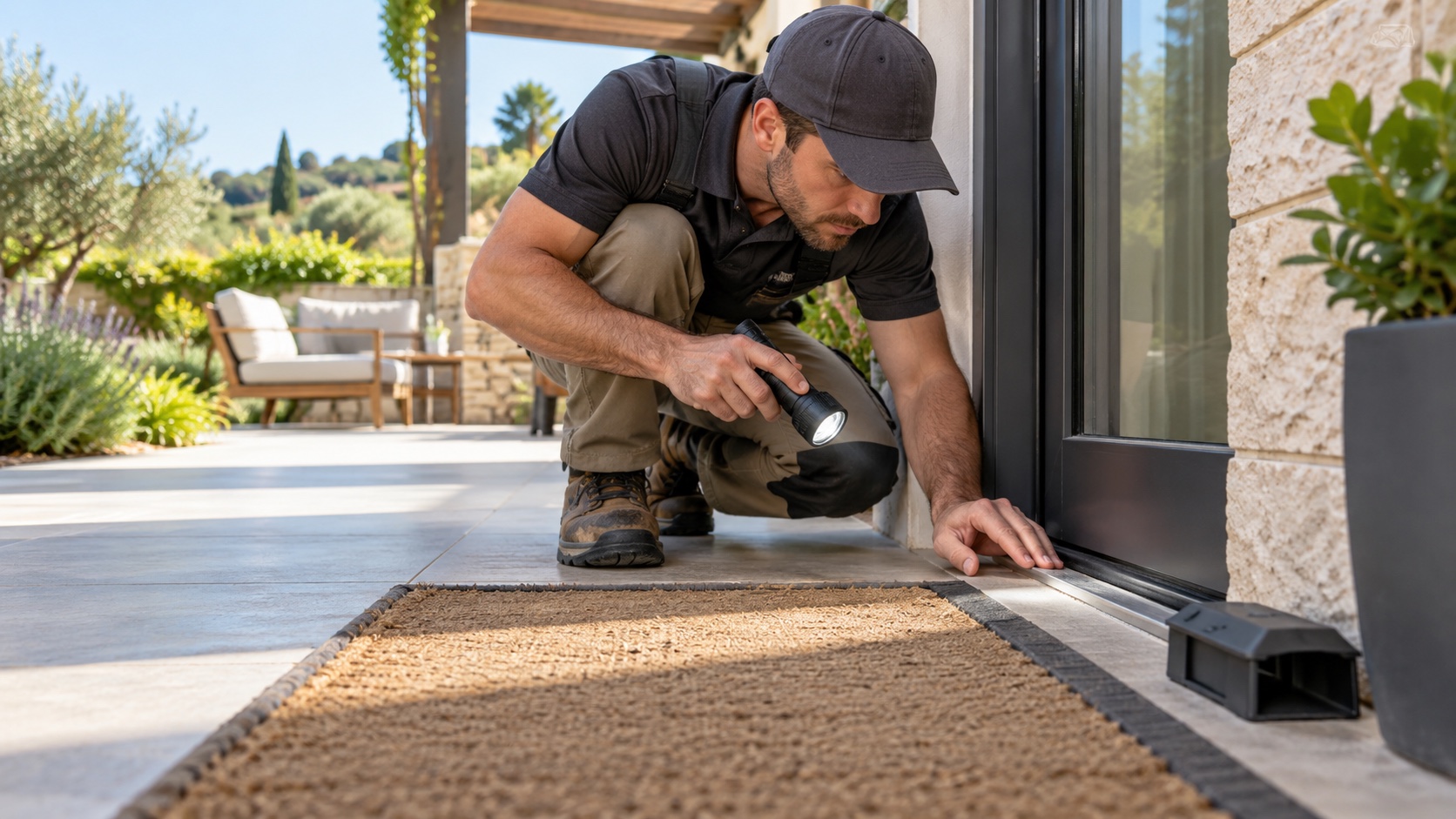
Vacation rental pest control works best as a prevention system: remove food, water, shelter, and entry points; inspect between stays; document activity; and use licensed professionals when treatment is required. Waiting for a guest to report an insect or rodent turns a manageable property issue into a health, trust, and reservation problem.
This guide gives hosts a practical prevention checklist for kitchens, bedrooms, bathrooms, exterior areas, pools, storage, and vendor coordination. It does not recommend a universal pesticide or treatment schedule because pests, products, laws, building types, climates, and risks vary by location.
What is vacation rental pest control?
Vacation rental pest control is the coordinated process of preventing, monitoring, identifying, and responding to unwanted insects, rodents, wildlife, and other pests at a short-term rental. It combines sanitation, maintenance, building exclusion, moisture control, monitoring, guest communication, and professional treatment.
The most useful framework is integrated pest management, often called IPM. The U.S. Environmental Protection Agency describes IPM as an environmentally sensitive approach based on pest life cycles, interaction with the environment, monitoring, and the most economical control methods with the least possible hazard to people, property, and the environment.
For hosts, that means not treating every sighting with random chemicals. First identify the pest and conditions supporting it. Then correct the cause and apply a targeted response that complies with the label and local law.
Why vacation rentals require a specific pest plan
Short-term rentals experience frequent luggage movement, food turnover, open doors, changing occupancy, cleaning teams, deliveries, and gaps between inspections. A guest may also interpret a single harmless outdoor insect as evidence of a broader problem, especially if the host responds defensively.
Airbnb’s safety requirements for homes identify pests among potential health hazards that hosts are expected to address. Its ground rules for home hosts also state that listings should be clean and free of health hazards before check-in.
A prevention program supports three goals:
- Reduce the conditions that attract and sustain pests.
- Detect activity before it affects a reservation.
- Create a consistent, evidence-based response when a report occurs.
Begin with local pest risk
Build the program around pests that are credible for the property’s region, season, structure, and surroundings. Coastal humidity, desert scorpions, mountain mice, urban cockroaches, tropical mosquitoes, wooded ticks, and seasonal ants require different prevention.
Ask a qualified local provider which pests are common, how they enter, what evidence matters, which treatments are lawful, and what building or landscape changes reduce risk. Multi-unit properties also require coordination with building management because activity can move between units.
Record seasonal patterns in the vacation rental maintenance log. A recurring problem in the same location is a signal to investigate the structure or environment, not simply repeat a surface treatment.
Seal common entry points
Exclusion prevents pests from entering. Inspect the exterior during daylight and again when interior lights reveal gaps. Focus on:
- Door sweeps, thresholds, weather stripping, and garage seals.
- Torn window screens and gaps around frames.
- Pipe, cable, vent, and utility penetrations.
- Roof edges, soffits, chimneys, crawl spaces, and attic openings.
- Cracks at foundations, siding, masonry, and expansion joints.
- Floor drains, unused plumbing openings, and damaged covers.
Use materials appropriate to the surface, pest, fire requirements, ventilation, and moisture conditions. Do not seal an opening that is required for combustion air, drainage, or equipment ventilation. Larger wildlife exclusion should be handled by a qualified provider, especially when animals may already be inside.
Remove food and waste sources
Kitchen controls
Clean grease and crumbs beneath and beside appliances, not just visible counters. Inspect cabinet corners, toaster trays, coffee stations, pantry shelves, and recycling storage. Use containers that close properly for host-provided food and replace torn packaging.
Do not leave opened guest food for the next reservation unless the practice is lawful, hygienic, and explicitly controlled. An abandoned bag of flour or pet food can sustain activity even when the kitchen appears clean.
Trash and recycling
Use bins with intact lids, replace damaged liners, wash residue from containers, and keep collection areas away from doors when practical. Match capacity to maximum occupancy and pickup frequency. Overflowing exterior waste attracts pests and creates odor before the cleaner returns.
Checkout instructions can ask guests to place tied waste in an accessible secure bin, but professional turnover teams remain responsible for verifying that waste areas are clean and ready.
Outdoor food sources
Clean grills, outdoor kitchens, dining tables, and pet areas. Remove fallen fruit where relevant and store bird seed or animal feed securely. Local rules may restrict wildlife feeding because it changes animal behavior and creates risk.
Control water and moisture
Many pest problems are supported by water. Inspect beneath sinks, around refrigerators and dishwashers, behind toilets, near water heaters, under HVAC equipment, and around irrigation. Repair leaks promptly and dry affected materials correctly.
Keep gutters, drains, condensate lines, and exterior grading working as intended. Empty containers that hold rainwater where local mosquito-control guidance recommends it. Pools and hot tubs require their own professional maintenance and lawful treatment.
Moisture can also signal a building problem. Use the maintenance process to connect a pest report with leak detection, ventilation, mold evaluation, or structural repair rather than treating each symptom separately.
Reduce shelter and hiding places
Clutter makes inspection difficult and provides undisturbed hiding places. Keep owner closets organized, remove unnecessary cardboard, rotate stored linens, and avoid placing boxes directly against damp walls.
Trim vegetation according to local horticultural and fire-safety guidance. Branches touching roofs, dense growth against walls, and stacked materials beside the building can create routes and shelter. Store firewood at an appropriate distance and in a way that does not introduce moisture or local fire risk.
Create a turnover pest inspection
The turnover check should look for evidence, not just live pests. Train the team to recognize droppings, gnawing, damaged packaging, shed skins, webbing, grease marks, unusual odor, nesting material, insect fragments, and moisture conditions.
Add a concise inspection sequence:
- Check beds, headboards, upholstered furniture, and luggage areas before disturbing evidence.
- Inspect kitchen corners, cabinet hinges, appliance gaps, and food packaging.
- Look beneath sinks and around plumbing for moisture or activity.
- Check doors, windows, screens, and thresholds for new gaps.
- Review traps or monitors only according to the provider’s instructions.
- Photograph evidence without moving or crushing it when identification is uncertain.
- Escalate immediately if the property may be unsuitable for the next guest.
Do not make cleaners diagnose a dangerous species or apply products outside their training. The inspection should trigger the correct expert, not replace one.
Use monitoring carefully
Monitoring devices help determine location, type, and trend. Place them where they are effective, legal, inaccessible to children and pets, and unlikely to alarm guests. Follow the device and professional guidance for placement and review.
Record the date, location, finding, and action. A monitor with no inspection schedule becomes clutter. A trap with no identification process can create an unresolved sanitation issue.
Never use surveillance devices to monitor guests. Pest monitoring should collect only the information necessary for the pest-control purpose and should comply with property, platform, privacy, and local requirements.
Select and manage a pest-control provider
Verify licensing where required, insurance, experience with the target pest, treatment documentation, re-entry requirements, and the provider’s process for occupied properties. Ask how the company combines exclusion, sanitation, monitoring, and treatment.
A written service record should identify:
- The pest or evidence observed.
- Areas inspected and contributing conditions.
- Products or devices used, if any.
- Label instructions, safety precautions, and re-entry timing.
- Repairs or sanitation actions required from the host.
- Follow-up date and success criteria.
Do not schedule a guest to enter until applicable treatment, ventilation, cleanup, and re-entry requirements have been satisfied. A calendar gap is not proof that a space is ready.
Pesticide safety principles
Pesticides are regulated products. Use them only as allowed by the label and applicable law. More product is not better. Randomly combining sprays, powders, foggers, baits, and household chemicals can increase exposure and make identification or professional treatment harder.
Store products in original labeled containers, secured from guests and children, away from food and linens. Keep safety data and service records as required. Dispose of products according to the label and local waste rules.
If a guest has reported symptoms, a bite, sting, or possible exposure, prioritize medical guidance and local emergency resources. Do not diagnose or dismiss the concern from photos.
How to respond to a guest pest report
Respond promptly and without arguing about housekeeping. Ask for the location, time, description, and a photo only if the guest can provide it safely. Acknowledge the concern and explain the immediate next step.
A practical response flow is:
- Assess whether there is an immediate health or safety concern.
- Advise the guest not to touch an unknown pest or apply unapproved chemicals.
- Contact a qualified local provider or building management.
- Offer reasonable options based on severity, professional findings, platform rules, and availability.
- Keep communication in the booking platform when practical.
- Document findings, treatment, repairs, and clearance.
- Inspect adjacent areas or related properties when the evidence suggests spread.
Do not promise that a home can be completely free of every outdoor insect. Do promise a serious, timely, evidence-based response and a property maintained to the applicable standard.
Bed bug considerations
Bed bugs require specific identification and professional planning. Do not move linens, luggage, mattresses, or furniture through the property without guidance because movement can spread activity. Do not rely on appearance alone to identify bites.
If credible evidence exists, pause affected inventory and contact a qualified provider. Follow local disclosure, treatment, documentation, and re-entry requirements. Coordinate laundry and waste handling with the provider rather than improvising.
Common vacation rental pest-control mistakes
- Spraying without identification: treatment may be ineffective or unsafe.
- Ignoring the cause: food, moisture, gaps, and clutter continue to support activity.
- Using the same plan year-round: seasonal risks change.
- Hiding evidence before inspection: identification becomes harder.
- Moving affected items: pests may spread to other rooms or properties.
- Leaving chemicals accessible: guests and children may be exposed.
- Arguing with the guest: delayed action can worsen the incident.
- Closing the task after treatment: exclusion and follow-up remain unfinished.
Vacation rental pest-prevention checklist
- Identify credible local pests and seasonal patterns.
- Inspect and repair doors, screens, vents, and penetrations.
- Clean beneath appliances and inside low-traffic storage.
- Use sealed waste and food-storage containers.
- Repair plumbing, drainage, irrigation, and condensation issues.
- Reduce cardboard, clutter, and exterior shelter.
- Add evidence checks to each turnover.
- Place and review monitoring devices appropriately.
- Verify the provider’s license, insurance, and documentation.
- Secure pesticides and follow all label instructions.
- Create a guest-report response and relocation decision path.
- Document treatment, repairs, follow-up, and clearance.
Frequently asked questions
How often should a vacation rental receive pest control?
There is no universal interval. Base inspections and service on local pests, season, climate, building risk, prior evidence, product labels, and professional advice. A scheduled visit does not replace turnover monitoring and structural prevention.
Can hosts treat pests themselves?
Hosts may be allowed to perform limited measures depending on the pest, product, property, and jurisdiction. Always follow the label and local law. Dangerous, recurring, widespread, or unidentified activity should be evaluated by a qualified professional.
Should pest-control devices be visible to guests?
Placement depends on the device and risk. Monitoring must be effective, safe, lawful, and maintained. Avoid placing alarming or hazardous devices in guest-accessible areas without a clear professional reason.
What should a host do after one insect report?
Respond, document the location, inspect the property, and identify the insect if possible. One outdoor insect may not indicate infestation, but dismissing the report without checking is poor practice. Use the finding to decide whether maintenance or professional service is needed.
Can pest prevention be added to a cleaning checklist?
Yes, but keep it focused on observable evidence and conditions. Cleaners should not be expected to identify hazardous species, apply regulated products, or certify that a property is pest-free.
Final recommendation
The strongest vacation rental pest-control plan prevents conditions, detects evidence early, and escalates to the right professional before the next check-in. Start with exclusion, food and waste control, moisture repair, organized storage, and a concise turnover inspection.
Document every report and corrective action. Over time, the record will show whether the problem is seasonal, structural, operational, or isolated—and help you invest in the fix rather than repeat the reaction.

Artigos Relacionados




Sobre o Autor
