Vacation Rental Mold Prevention: How to Control Moisture and Protect Guests

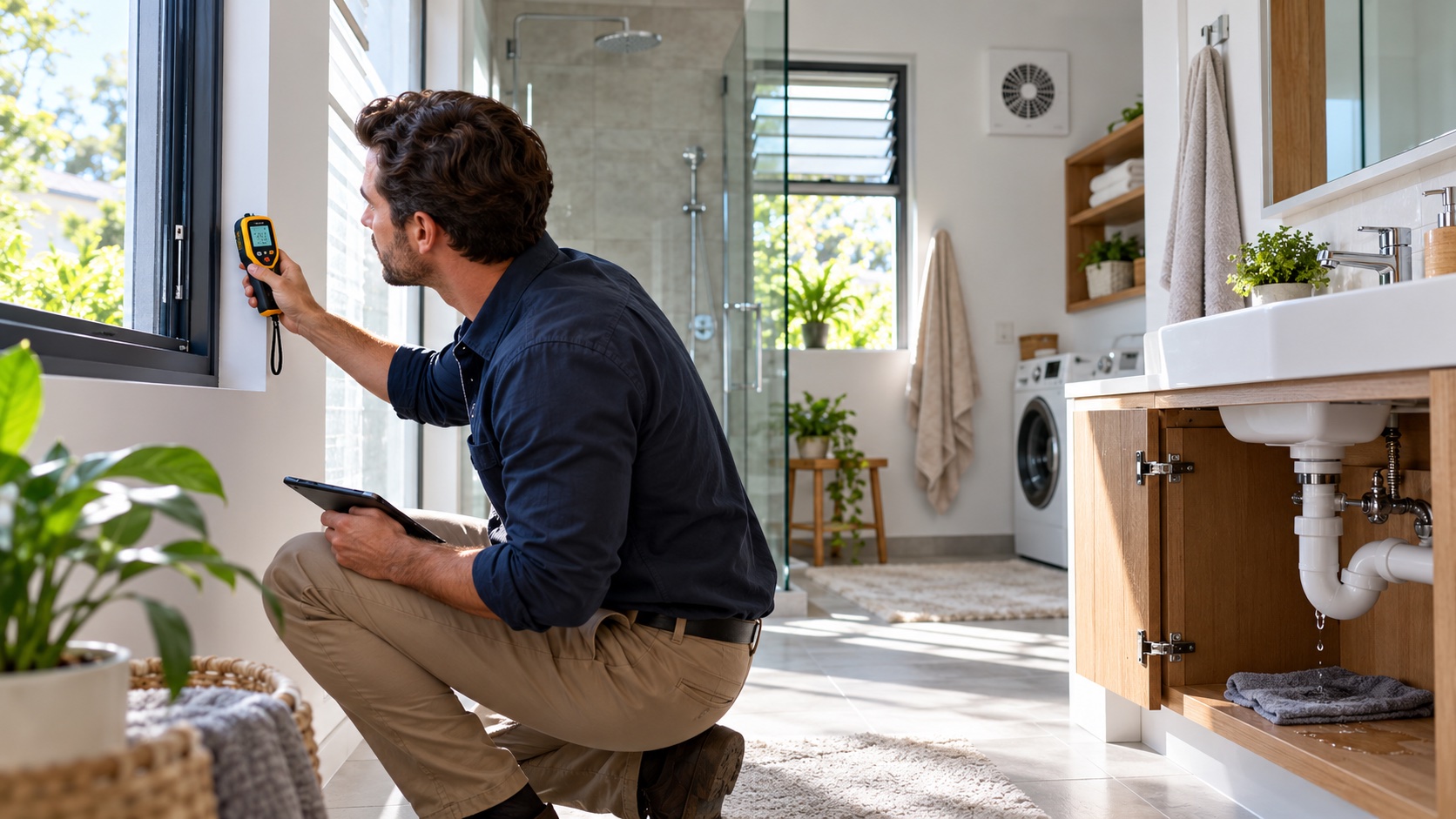
Vacation rental mold prevention depends on controlling moisture, finding leaks quickly, maintaining ventilation and HVAC systems, and verifying that wet materials are dried appropriately. Fragrance, paint, and surface cleaning cannot solve mold when the water source remains.
This guide helps hosts identify moisture pathways, monitor risk between stays, respond to guest reports, document corrective work, and know when professional assessment is appropriate.
Why vacation rentals are vulnerable to mold
Short stays create changing humidity, shower, cooking, laundry, HVAC, and window-use patterns. Properties may sit vacant between reservations, and remote teams may miss a slow leak or condensation behind furniture.
Climate, construction, insulation, drainage, plumbing, ventilation, and operating settings all matter. A beach home, basement apartment, mountain cabin, and sealed urban unit require different controls.
Moisture control is the central strategy
The U.S. Environmental Protection Agency’s mold and moisture guidance states that moisture control is the key to mold control. EPA advises acting quickly on leaks and drying damp materials within roughly 24 to 48 hours when appropriate.
Do not interpret that window as permission to delay inspection. Contaminated water, extensive damage, hidden cavities, HVAC involvement, vulnerable occupants, or a large affected area can require specialized professional response.
Map every likely moisture source
- Roof, flashing, gutters, windows, doors, and exterior walls.
- Plumbing supply, drains, toilets, water heaters, and appliances.
- Showers, kitchens, laundry, and indoor drying.
- Air-conditioning coils, pans, drains, ducts, and condensate lines.
- Basements, crawlspaces, slabs, foundations, and ground drainage.
- Pool, hot tub, irrigation, and exterior hose connections.
- Cold surfaces where indoor moisture condenses.
Create a property map showing shutoffs, drain paths, access panels, sensors, and spaces that cannot be seen during a normal turnover.
Set property-specific humidity controls
Monitor relative humidity in representative areas without collecting unnecessary guest data. EPA notes that keeping indoor humidity below 60 percent, ideally within a lower range when feasible, can help control mold. The correct operating target depends on climate, building, HVAC design, and professional guidance.
Do not use a universal remote thermostat limit that creates condensation or discomfort. Review the vacation rental utility management guide before automating occupied and vacant modes.
Maintain ventilation and HVAC
Confirm bathroom and kitchen exhaust reaches the exterior where designed, grilles are clean, fans operate, and guests understand simple controls. Inspect air-conditioning condensate systems, filters, coils, pans, and drains under manufacturer and professional recommendations.
Furniture pressed against cold exterior walls can reduce air movement. Closed interior doors, blocked returns, incorrectly sized equipment, or continuous fan settings may affect humidity. Diagnose the system rather than guessing.
Inspect after every turnover
Train cleaners to report moisture, not diagnose mold. The turnover check should include:
- Water around toilets, tubs, showers, sinks, and appliances.
- Stains, bubbling paint, swollen trim, soft materials, or corrosion.
- Condensation on windows, pipes, walls, or supply grilles.
- Musty odor that returns after ventilation.
- Slow drains, running toilets, and unusual HVAC sound.
- Exterior drainage and visible roof or gutter problems.
Send exceptions into the vacation rental maintenance log with photos, location, time, severity, and assigned responder.
Use leak and humidity alerts responsibly
Place sensors at high-consequence locations such as water heaters, laundry, sinks, HVAC pans, basements, and utility rooms. Test batteries, connectivity, notification ownership, and false-alarm response.
An alert is not a diagnosis. Verify occupancy and conditions before remote shutoff. Define who can enter, how guest permission is obtained, and when emergency access is justified.
Respond to water damage immediately
- Protect people from electrical, structural, sewage, and slip hazards.
- Stop the water source when safe and authorized.
- Document visible conditions and time.
- Contact qualified restoration, plumbing, HVAC, or building professionals.
- Remove standing water and begin appropriate drying.
- Measure and verify moisture rather than relying on surface appearance.
- Keep affected space offline until it is safe and ready.
- Record repairs and prevention changes.
Do not ask cleaners or guests to enter unsafe areas. Water from sewage, flooding, or unknown sources needs specialized precautions.
Handle visible mold correctly
First fix the moisture source. EPA notes that hard surfaces may sometimes be cleaned with detergent and water and dried completely, while moldy porous materials may need replacement. Extensive growth, recurring growth, hidden contamination, or HVAC involvement calls for experienced professional assessment.
Do not paint or caulk over growth, mix cleaning chemicals, or market a cosmetic cover-up as remediation. Preserve reports and verify that the water problem—not only the visible mark—has been corrected.
Communicate with guests
If a guest reports odor, moisture, or suspected mold, acknowledge the specific location and assess health and safety promptly. Offer an inspection or appropriate accommodation without diagnosing a medical condition.
A useful message is: “Thank you for reporting the moisture near the bedroom window. Please avoid touching the area. We can have a qualified responder inspect it today and will discuss an alternative if the room cannot be used safely.”
Keep the listing accurate if an area or amenity is unavailable. Follow platform procedures for reservation changes and refunds.
Prevent recurrence after repair
Perform root-cause review: why did water enter, why was it not detected, why did drying take too long, and what verification was missing? Possible corrections include drainage work, plumbing repair, insulation, ventilation, sensor placement, HVAC service, staff training, or a shorter vacant-property inspection interval.
Schedule a follow-up check after weather, occupancy, and HVAC conditions have changed. A dry reading immediately after repair does not prove performance through the next humid period.
Common mold-prevention mistakes
Create seasonal moisture modes
One year-round setting may not control moisture in every season. Map periods of high outdoor humidity, heavy rain, snowmelt, freezing weather, closed-window cooling, heating, and shoulder-season vacancy. For each period, define inspection frequency, HVAC mode, dehumidification, drainage checks, and alert thresholds with professional input.
After a major storm, do not wait for the next turnover. Check roof and window entry points, basements, crawlspaces, utility rooms, exterior drains, and power-dependent pumps. A remote visual check is not enough when the property has known high-consequence areas.
Distinguish condensation from leaks
Both create moisture, but the correction differs. Condensation often appears where warm humid air meets a cold surface; leaks may follow plumbing, roofing, flashing, drainage, or equipment failures. Use moisture readings, weather context, system operation, and qualified inspection rather than guessing from a stain.
A recurring bathroom ceiling mark might reflect failed exhaust, an upstairs plumbing leak, roof entry, or cold-surface condensation. Cleaning it repeatedly without diagnosing the pathway wastes time and can allow hidden damage to continue.
Manage vacant periods
Vacancy does not eliminate moisture. HVAC may be reduced, water can leak unnoticed, traps can dry, and closed rooms can lose air movement. Create a vacant-property routine that preserves safe climate control, checks water use, confirms pumps and drains, and schedules local inspection.
Do not shut off power to equipment that protects humidity, drainage, alarms, or freeze conditions. If water is shut off, document which appliances and protection systems are affected and how the home is recommissioned before arrival.
Evaluate materials and furnishings
Choose finishes that fit the climate and can dry. Inspect mattresses, upholstered furniture, rugs, curtains, wall coverings, cabinetry, and stored linens for placement against damp surfaces or restricted airflow. Keep clean inventory dry and off floors in utility or basement areas.
When porous material becomes contaminated, replacement may be more appropriate than surface treatment. Have professionals evaluate valuable, structural, or extensive materials.
Build a vendor response standard
Prequalify plumbers, HVAC providers, roofers, water-mitigation teams, environmental professionals, and building contractors. Define who can authorize emergency containment and what evidence is required: moisture maps, photographs, equipment logs, work scope, disposal, repair, and post-work verification.
A drying company should not automatically decide every reconstruction or health question. Match expertise to the issue and confirm required licenses or certifications locally.
Example: recurring bedroom odor
A guest reports a musty odor after rain. The host pauses the room, inspects safely, and finds elevated moisture at an exterior wall. The investigation checks roof and window flashing, indoor humidity, furniture clearance, and HVAC airflow. The source is repaired, wet material is handled appropriately, drying is verified, and the room is inspected again after another rain.
The closeout record includes the original report, readings, photographs, vendor findings, repair, verification, and prevention change. Simply spraying fragrance and opening a window would not close the incident.
Measure prevention performance
Track water alerts, response time, repeated locations, plumbing leaks, roof events, humidity exceptions, guest odor reports, drying duration, and callbacks after repair. Use trends to prioritize capital work and sensor placement.
A low number of reports can mean good control or poor detection. Pair complaint data with planned inspections and measured condition.
Keep listing language factual
Describe ventilation, dehumidification, basement areas, seasonal humidity, and recent renovations accurately. Do not advertise “mold-free,” “hypoallergenic,” or medically safe conditions. No host can guarantee that spores or allergens are absent.
If a material water event affects an upcoming reservation, tell the guest what area was affected, whether work continues, and which amenities or rooms are unavailable. Provide only verified professional findings and follow the platform process instead of minimizing the issue.
- Using fragrance to hide a musty odor.
- Cleaning the stain without fixing the leak.
- Turning HVAC off completely during vacancy.
- Relying on one sensor for the whole property.
- Painting over damp or contaminated material.
- Assuming every dark mark is mold without assessment.
- Allowing an affected room to remain in service.
- Failing to verify drying and document closure.
Vacation rental mold-prevention checklist
- Map roof, plumbing, HVAC, drainage, and condensation risks.
- Set climate-appropriate humidity and temperature controls.
- Service exhaust and HVAC systems.
- Install and test leak or humidity alerts where useful.
- Inspect wet rooms and hidden-prone areas at turnover.
- Maintain exterior drainage, gutters, and seals.
- Create a water-event response with local vendors.
- Fix moisture sources before cosmetic repair.
- Verify drying and professional clearance when needed.
- Track recurring locations and seasonal patterns.
Frequently asked questions
What humidity level prevents mold?
No setting guarantees prevention. EPA recommends keeping indoor humidity below 60 percent and notes an ideal lower range when feasible. Building and climate conditions require property-specific professional judgment.
Can hosts clean mold themselves?
Small, limited areas on suitable surfaces may sometimes be handled under authoritative guidance. Extensive water damage, contaminated water, health concerns, hidden growth, or HVAC involvement warrant professional help.
Does bleach solve a mold problem?
EPA does not recommend biocides such as chlorine bleach as a routine practice for mold cleanup. The moisture source must be corrected, affected materials handled appropriately, and the area dried.
Should a rental stay open during remediation?
Do not expose guests to unsafe conditions or active work. Obtain qualified guidance and keep affected areas or the entire property offline until they are safe and accurately represented.
Are humidity sensors enough?
No. Sensors add visibility but do not replace roof, plumbing, HVAC, drainage, and material inspections or a reliable response team.
Final recommendation
Prevent vacation rental mold by controlling the water pathway, not by treating the visible symptom. Inspect routinely, maintain ventilation, monitor high-risk areas, and respond quickly to leaks.
Review the last year of moisture incidents and guest comments. If one room, season, or system repeats, assign a qualified person to find and correct the underlying cause before the next booking.

Artigos Relacionados


Sobre o Autor
