Vacation Rental Utility Management: How to Control Costs Without Hurting Guest Comfort


Vacation rental utility management is the process of controlling electricity, heating, cooling, water, gas, and internet costs while preserving the comfort, safety, and amenities promised to guests. The best results come from efficient equipment, maintenance, measured settings, vacancy routines, and fast leak or fault detection—not from surprising guests with restrictive controls.
This guide explains how to establish a baseline, find abnormal use, automate vacant periods, set guest-friendly rules, protect HVAC and plumbing systems, and evaluate upgrades without inventing savings claims.
What is vacation rental utility management?
Vacation rental utility management combines operational procedures and property technology to make resource use visible and intentional. It covers:
- Electricity for HVAC, lighting, appliances, pools, hot tubs, and devices.
- Water for bathrooms, kitchens, laundry, irrigation, pools, and leaks.
- Gas or other fuels for heating, cooking, water heating, and fireplaces.
- Internet and connected services required for guests and operations.
- Waste, recycling, and other metered property services where relevant.
The objective is not simply a lower bill. A setting that saves energy but creates frozen pipes, humidity, unsafe temperature, unavailable hot water, damaged equipment, or a misleading listing is poor management.
Establish a reliable utility baseline
You cannot identify unusual consumption without context. Collect at least the information already available from bills, meters, devices, reservations, weather, and maintenance records. Preserve original statements and note changes in rates.
For each property, track:
- Billing period, units consumed, fixed charges, taxes, and total cost.
- Occupied nights, guest count where lawfully available, and vacancy days.
- Major amenities active during the period.
- Weather or seasonal conditions.
- Leaks, repairs, equipment changes, and unusual events.
- Rate-plan changes or estimated meter readings.
A cost increase does not automatically mean consumption increased. Rates, fixed charges, taxes, estimated bills, and billing-period length may change. Compare usage units as well as money.
Separate base load from guest-driven use
Base load is the consumption that continues when the property is empty: refrigerators, routers, security devices, standby electronics, pool systems, ventilation, minimum climate protection, irrigation, and common-area services.
Measure a safe vacant period to understand this baseline. Do not shut off systems required for safety, insurance, humidity, plumbing, alarms, food protection, or manufacturer warranties. Once base load is known, investigate equipment that runs continuously without a clear need.
Guest-driven use varies with occupancy, weather, cooking, laundry, vehicle charging, pool heating, and stay pattern. Avoid judging one reservation from a monthly bill. Use trends and alerts to find exceptions.
Manage heating and cooling without harming comfort
HVAC is often a major controllable load. Start with maintenance, envelope condition, and accurate controls. Dirty filters, blocked vents, failed sensors, air leaks, poor insulation, and malfunctioning equipment can waste energy while making guests uncomfortable.
The U.S. Department of Energy recommends combining equipment maintenance, insulation, air sealing, and appropriate thermostat settings. Its Energy Saver guidance also recommends energy evaluation before prioritizing upgrades.
Occupied settings
Give guests reasonable control within limits that protect equipment and safety. The appropriate range depends on climate, HVAC design, humidity, local requirements, and the advertised amenity. Do not copy a universal temperature range from another market.
Explain simple use, not an engineering lecture. If the system needs doors or windows closed, fan mode configured, or separate zones operated in a sequence, make that clear in the house manual.
Vacancy settings
Use reservation-aware setbacks only after confirming that the property will remain safe. Consider pipe-freeze protection, humidity control, pets, plants, cleaning staff, maintenance visits, sensitive finishes, and recovery time before the next arrival.
The smart thermostat guide for vacation rentals covers guest controls, automation, alerts, and fallbacks. Any automation should fail to a safe state and allow local manual control.
Reduce water waste and damage
Water management is both a cost and property-protection issue. Inspect toilets, faucets, showers, irrigation, appliances, water heaters, and pool systems. A small unseen leak can continue between turnovers and cause damage beyond the bill.
EPA WaterSense recommends regular leak checks and prompt repair. Its home maintenance guidance includes daily, monthly, and annual practices for water-using systems. WaterSense also explains how leak-detection and flow-monitoring devices can identify unexpected moisture or unusual water flow.
Use alerts as a trigger, not a diagnosis
A high-flow alert might come from a leak, a filling pool, irrigation, guest use, cleaning, or a sensor problem. The response team should verify context before shutting water off remotely. Automatic shutoff can protect a vacant property but may disrupt an occupied stay or create another hazard if configured poorly.
Inspect after every water event
Stopping visible flow is not the end of the incident. Check adjacent rooms, lower floors, cabinets, insulation, electrical areas, and materials that may retain moisture. Use qualified professionals where required and connect the event to the maintenance log.
Manage water heating safely
Water heating decisions involve energy, capacity, sanitation, scald risk, equipment, and local requirements. Do not apply one temperature recommendation without checking the system and users. Hotels, homes with vulnerable guests, and systems with recirculation or storage can require different controls.
Reduce waste by repairing leaks, insulating appropriate pipes or tanks, maintaining equipment, and selecting efficient replacement systems when justified. Guest complaints about slow hot water may reveal a recirculation, distance, fixture, or maintenance issue rather than excessive use.
Control lighting and plug loads
Use efficient lamps compatible with the fixture and controls. Replace failed bulbs with consistent color and brightness so the listing still matches its photos. Motion or vacancy sensors can work in utility spaces and exterior areas, but poorly placed sensors can leave guests in darkness.
Identify unnecessary standby equipment and duplicate chargers. Do not switch off routers, alarms, leak sensors, locks, refrigerators, or other operational systems simply because the property is vacant.
Exterior lighting should support safe arrival while respecting neighbors, wildlife, building rules, and local dark-sky requirements. Use schedules and shielded fixtures where appropriate.
Evaluate pool, hot tub, and outdoor systems
Pools and hot tubs can involve pumps, heaters, covers, chemicals, and safety controls. Use a qualified service provider and follow local health and safety requirements. Define whether heating is included, seasonal, optional, or unavailable, and keep the listing accurate.
Do not promise a specific temperature or heating time without considering equipment, weather, covers, and local rules. Track runtime, faults, guest requests, and maintenance so the host can distinguish normal operation from a failing heater or pump.
Irrigation should reflect landscape needs, rainfall, restrictions, and leaks. Broken heads, misdirected spray, and watering during rain can waste water and damage paths or buildings.
Use reservation-aware automation carefully
A property management system or automation platform can trigger occupied, turnover, and vacant modes. Create explicit states rather than one chain of fragile rules:
- Pre-arrival: restore guest-ready temperature, hot water, lighting, and access with enough recovery time.
- Occupied: allow the promised controls and monitor only property-safe conditions.
- Checkout: delay vacancy changes until the departure is confirmed or the approved grace period ends.
- Turnover: support cleaners and inspectors without fighting their work.
- Vacant: apply safe setbacks and enhanced alerts.
- Maintenance: suspend automation that could energize equipment while a technician is working.
Test canceled reservations, date changes, early check-in, late checkout, same-day bookings, manual overrides, lost internet, and vendor outages. The Zapier vacation rental guide explains how to design practical automations with exception handling.
Set alerts that lead to action
An alert is useful only if someone receives it, understands it, and can act. Define:
- Condition and threshold based on the property.
- Occupied versus vacant behavior.
- Primary responder and backup.
- Response time by risk.
- Safe remote action, if any.
- Local inspection or vendor escalation.
- Closure evidence.
Avoid alert overload. If the team receives dozens of low-value notifications, a real leak, freeze, outage, or HVAC fault may be missed. Review false alarms and adjust the system without hiding meaningful risk.
Review exceptions after each alert
Close every meaningful alert with a short record of what happened: the reading that triggered it, occupancy status, who checked the property, what was found, and what changed. This separates equipment faults from normal guest activity and recurring false alarms. If the same warning appears repeatedly, investigate the device, threshold, installation, or underlying system instead of teaching the team to ignore it.
Keep vendor contacts and safe manual instructions available even when the dashboard is unavailable. A connected sensor adds visibility, but the response plan must still work during a power, internet, or service outage.
Communicate utility rules fairly
Guests should know material limitations before booking. Examples include seasonal pool heating, EV-charging rules, water restrictions, generator limitations, septic requirements, or air-conditioning that is not available in every room.
Do not market unrestricted comfort and then impose undisclosed remote limits. If a guest setting could damage equipment or create a safety issue, explain the boundary clearly and provide a contact path.
Avoid messages that accuse guests based only on a sensor or bill. Verify whether the alert reflects normal use, a property fault, or a misunderstood control.
Prioritize efficiency upgrades
Begin with evidence from bills, inspections, comfort complaints, equipment runtime, and professional assessments. Low-cost corrections may include repairing leaks, sealing appropriate gaps, maintaining HVAC, correcting controls, insulating suitable lines, and replacing inefficient lamps.
For larger upgrades, estimate:
- Installed cost and expected service life.
- Compatibility with the building and local climate.
- Maintenance and subscription cost.
- Guest comfort and operating complexity.
- Available rebates or requirements.
- Measured baseline and a conservative savings range.
- What happens if the connected service disappears.
Do not guarantee payback from a national average. Property occupancy, rates, weather, behavior, equipment, and installation quality determine results.
Common utility-management mistakes
- Comparing bill totals without checking rates or billing days.
- Using aggressive thermostat limits that create complaints or risk.
- Shutting water remotely without verifying occupancy and context.
- Automating from reservations without handling changes and overrides.
- Ignoring base load during vacant periods.
- Installing sensors without a response owner.
- Buying technology before fixing maintenance problems.
- Hiding material utility limitations from the listing.
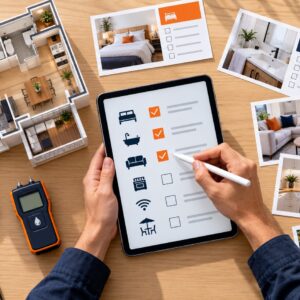
Vacation rental utility checklist
- Collect bills, consumption units, rates, and billing periods.
- Map every major utility load and control.
- Measure a safe vacant-property baseline.
- Inspect HVAC, water heating, plumbing, lighting, and appliances.
- Repair leaks and equipment faults before adding automation.
- Define occupied, turnover, vacant, and maintenance states.
- Set property-specific comfort and protection boundaries.
- Create alerts with primary and backup responders.
- Test reservation changes and connectivity loss.
- Disclose material limitations and optional services.
- Evaluate upgrades from measured evidence.
- Review consumption, complaints, alerts, and maintenance together.
Frequently asked questions
Can hosts limit thermostat settings?
Hosts can configure equipment within applicable laws, safety requirements, manufacturer guidance, and the service promised in the listing. Limits should protect the system without preventing reasonable comfort. Explain unusual restrictions before booking.
Should utilities be turned off between guests?
Usually not as a universal rule. Refrigeration, alarms, internet-connected operations, humidity control, freeze protection, pools, and other systems may need to remain active. Use a property-specific vacant mode rather than a total shutdown.
Are leak detectors worth using in vacation rentals?
They can provide earlier warning, particularly when properties are vacant or remotely managed. Value depends on placement, connectivity, maintenance, response coverage, and safe shutoff design. A detector does not replace plumbing inspection.
How can hosts measure utility cost per stay?
Allocate billing-period costs or usage across occupied nights with caution and record fixed charges, weather, amenities, vacancies, and rate changes. The metric is useful for trends, not for judging one guest without reliable interval data.
What should be automated first?
Start with low-risk, observable actions such as pre-arrival temperature preparation, vacancy setbacks, or leak alerts. Add one automation at a time, test exceptions, and preserve manual control.
Final recommendation
Effective vacation rental utility management begins with maintenance and measurement, then adds automation where it improves control without reducing guest comfort. Establish the baseline, correct leaks and faults, define safe property states, and give every alert a responder.
Review bills alongside occupancy, weather, complaints, and maintenance. The objective is a resilient home that uses resources intentionally—not a property that feels controlled at the guest’s expense.
Assign one person to review the dashboard and bills on a fixed schedule. Record the date, exception, action, and verified result so gradual changes do not disappear between turnovers.

Artigos Relacionados

Sobre o Autor
