Airbnb Pet Policy: How to Set Fees, Rules, and Cleaning Standards

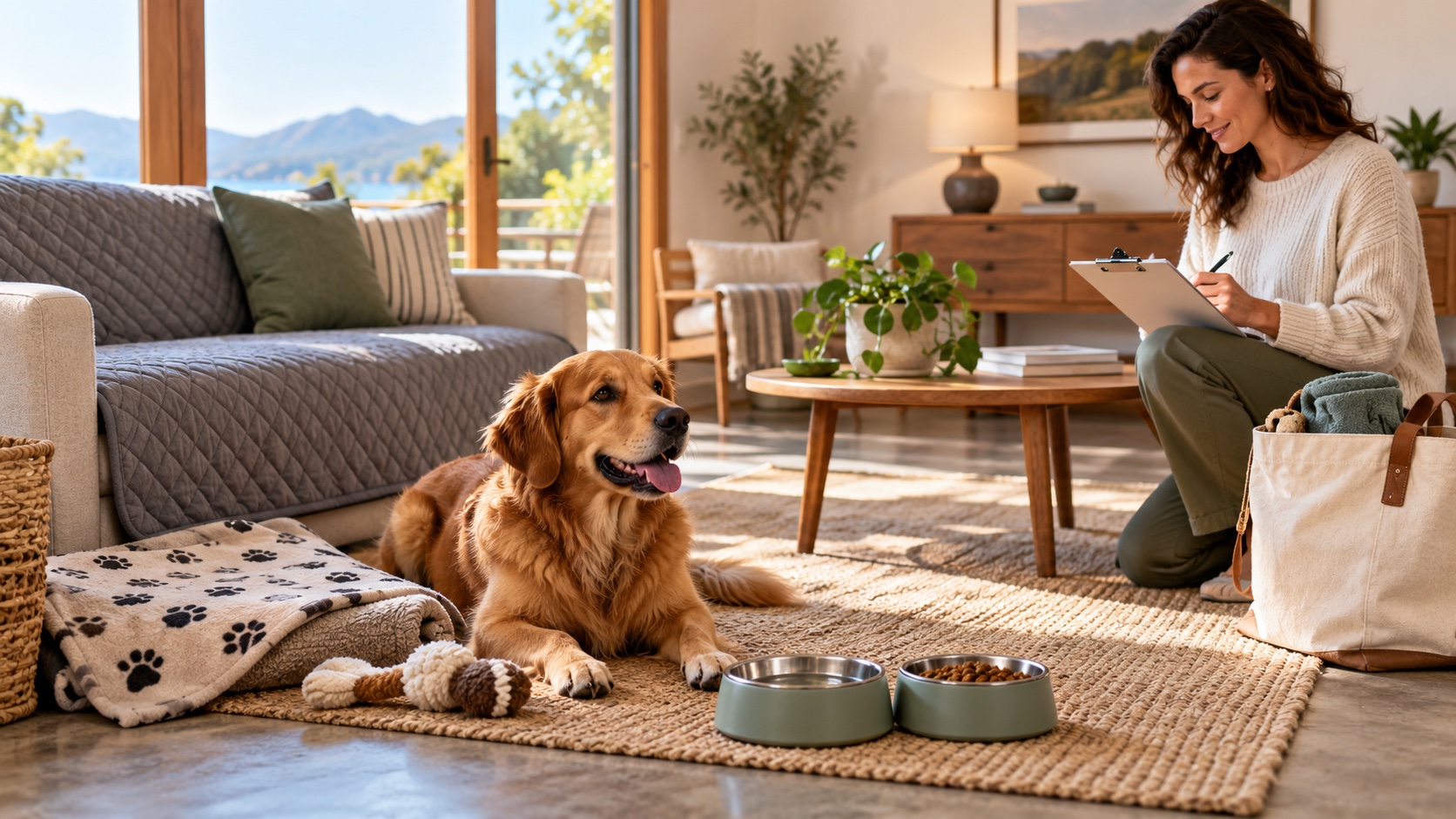
An effective Airbnb pet policy tells guests which pets are accepted, how many may stay, what fees apply, which areas are restricted, and what owners must do during the reservation. It should protect the property without confusing pets with Service Animals, which Airbnb treats under its Accessibility Policy rather than ordinary pet rules.
This guide explains how to decide whether a property is suitable for pets, set enforceable rules, prepare cleaners, disclose limitations, handle damage, and communicate without creating surprise charges.
Should your Airbnb allow pets?
Begin with the property, not a marketing trend. Check the lease, condominium or homeowners association rules, insurance, local animal limits, shared spaces, fencing, nearby hazards, cleaning capability, flooring, furniture, and owner use.
A pet-friendly listing may serve travelers who have fewer suitable options. It can also add hair, odor, yard cleanup, noise, scratches, allergy concerns, and turnover time. The decision is operational: can the team deliver the same clean, accurate, and safe stay after every permitted animal?
Define exactly what “pets allowed” means
A vague rule creates inconsistent approvals. Specify:
- Permitted species and number of pets.
- Any lawful size or safety limitations.
- Whether prior notice is required for ordinary pets.
- Areas that are off-limits.
- Furniture, bedding, crate, leash, and yard rules.
- Whether animals may be left alone and under what conditions.
- Waste disposal and neighborhood expectations.
- How pet damage or extraordinary cleaning is documented.
Rules must be reasonable, visible before booking, and consistent with platform policy and local law. Avoid breed assumptions or language that could conflict with disability protections.
Set the pet fee transparently
Airbnb’s current pet-fee guidance allows eligible home hosts to configure a flat fee per booking, per night, per pet, or per pet per night. Airbnb says the fee should cover expected pet-related cleaning and displays it within pricing.
Base the fee on actual additional labor and supplies rather than a copied competitor amount. Track hair removal, washable covers, yard inspection, filter checks, and added laundry. Do not use the pet fee to promise immunity from damage or as an undisclosed penalty.
Do not treat Service Animals as pets
Airbnb’s Accessibility Policy states that a Service Animal is not a pet and that guests can generally be accompanied by one even at a listing with a no-pet rule. Hosts may not charge a pet fee because of a Service Animal.
Rules for Emotional Support Animals vary by jurisdiction and Airbnb policy. Do not request documentation, ask about a person’s diagnosis, or improvise a decision. Review the current policy and obtain qualified advice when local requirements are unclear. The separate Airbnb Service Animal rules guide covers the response process.
Prepare the property for ordinary pets
Use durable, washable materials and remove hazards at animal height. Secure chemicals, food, trash, cords, pest products, fragile décor, and owner items. Check gates for gaps and do not call a yard “secure” unless the team verifies it regularly.
Helpful supplies may include:
- Washable furniture covers.
- Food and water bowls.
- Waste bags and a clearly identified disposal location.
- A dedicated towel for paws.
- A lint tool and simple cleanup supplies.
- Contact information for nearby veterinary care and boarding.
Do not provide treats without considering allergies and owner permission. Never leave medications, pesticides, or unsafe toys as pet amenities.
Build a pet-aware cleaning process
Pet cleaning is more than fragrance. Vacuum upholstery and edges, inspect under furniture, wash approved covers, remove waste, check doors and yard, and look for hair on linens. Replace damaged or contaminated items rather than hiding odor.
Use the property standard in How to Reduce Vacation Rental Cleaning Complaints. Add time and compensation when the checklist adds work; do not expect cleaners to absorb an undefined pet reset.
Protect guests with allergies
Do not advertise a property as allergen-free. Even a no-pet home may have prior animal exposure through Service Animals, owner use, neighboring spaces, or clothing. Describe your normal cleaning process factually and let guests decide whether the property fits their needs.
If a guest asks about animal history, answer honestly without revealing another guest’s private information. Avoid medical guarantees.
Communicate before arrival
Ask ordinary pet owners to confirm the number and type of pets, review the published rules, and identify any practical questions. Keep the conversation on the booking platform where possible.
A concise message can say: “We’re glad to welcome your dog. Please confirm that you reviewed our pet rules: animals may not be left unattended, must remain off beds, and waste must be placed in the outdoor bin. The pet fee shown in the reservation covers our expected additional cleaning.”
Only include rules that the listing actually discloses and the team can enforce consistently.
Handle pet damage and excessive cleaning
Document the property’s condition, observable damage, timestamps, repair or cleaning evidence, and communication. Distinguish normal wear, expected pet cleaning covered by the fee, and exceptional damage. Use the platform’s current process and deadlines.
Do not threaten a guest or invent charges after checkout. Follow the evidence principles in the Airbnb damage claims guide.
Manage barking and neighborhood impact
Include leash, waste, quiet-hours, visitor, and shared-space rules where appropriate. Give guests a nearby walk option and a plan if the animal becomes distressed. Repeated barking should be handled through calm communication and documented escalation, not unauthorized audio recording.
Connect pet rules to the property’s broader house-rule enforcement process.
Common pet-policy mistakes
Design the policy around specific property risks
A high-rise apartment, rural cabin, beachfront condo, and fenced suburban home need different rules. Map balconies, shared elevators, wildlife, livestock, poisonous plants, unfenced roads, hot pavement, snow, pool access, nearby dogs, and emergency veterinary availability.
Then connect each material risk to an operational control. A balcony may require that pets remain supervised. A working farm may need strict boundaries. A shared lobby may have leash and elevator rules. Do not describe the property as “perfect for every pet” when the environment has meaningful limitations.
Create a pre-arrival pet profile without overcollecting data
For ordinary pets, collect only information needed to operate the stay: species, number, approximate size where relevant to equipment, and whether the guest needs supplied items. Ask the guest to confirm published rules instead of demanding unnecessary veterinary or ownership documents.
Keep this process separate from Service Animal communication. A saved form titled “pet registration” should not automatically be sent when a guest identifies a Service Animal.
Plan the arrival and stay
Tell pet owners where to enter, where to walk, which waste bin to use, and how to protect floors during wet weather. Identify any off-limit areas and the safest way to move through shared spaces. Provide the address of a nearby emergency veterinarian without implying endorsement or guaranteed availability.
When the property has a fenced yard, inspect gates, latches, gaps, damage, landscaping work, and escape routes at every turnover. State that supervision is required; no fence can be promised as safe for every animal.
Build a fair response to pet-related problems
Repeated barking
Contact the guest with the time and impact, ask whether the animal is unattended or distressed, and request an immediate correction. Offer practical options such as returning to the property or using verified boarding. Document neighbor reports without revealing the neighbor’s identity.
Unauthorized ordinary pet
Confirm what is present and ask the limited questions required to distinguish a possible Service Animal when appropriate. Do not accuse the guest or post a fee before understanding the situation. Follow Airbnb support guidance and the disclosed policy.
Waste or visible damage
Photograph the observable condition, protect the property, and arrange cleaning or repair. Compare the work with what the pet fee normally covers. Request only supportable extraordinary costs through the proper process.
Measure whether the pet policy works
Track pet reservations, average additional cleaning time, complaints, damaged items, odor callbacks, lawn or common-area problems, and guest questions. Do not evaluate the policy only by revenue from fees. A fee that does not fund sufficient turnover time leaves the operational problem unsolved.
Review patterns by property and cleaner. Repeated hair in one sofa may justify a washable cover or furniture change. Repeated yard escape concerns require physical correction. Frequent confusion about the number of pets suggests the listing language is unclear.
Benefits and tradeoffs
A clear pet policy may broaden the suitable guest audience and reduce unauthorized assumptions. Pet-friendly equipment and rules can also simplify cleaning and neighbor expectations. The tradeoffs are additional wear, longer turnovers, allergy concerns, staff training, and possible noise or waste incidents.
Hosts should decide from measured operations and property suitability rather than treating pets as automatically profitable or problematic. A well-run no-pet listing and a well-run pet-friendly listing can both serve guests honestly.
Review the policy with insurance and vendors
Tell the insurer accurately whether ordinary pets are accepted and ask about animal-related exclusions, liability, property damage, and documentation. Confirm cleaners, landscapers, and co-hosts are willing and equipped to follow the published standard. A policy should not promise pet accommodation when the operating team cannot deliver it consistently.
Keep backup cleaning and linen capacity for heavy-shedding stays or an unexpected incident. Review contracts so responsibilities for yard cleanup, odor treatment, furniture protection, and damage reporting are explicit rather than assumed.
- Writing “pets allowed” without limits or procedures.
- Charging a fee that was not disclosed.
- Treating a Service Animal as an ordinary pet.
- Promising that a yard is escape-proof.
- Using fragrance to conceal pet odor.
- Providing too little turnover time.
- Blaming every scratch or stain on the latest guest without evidence.
- Claiming that a property is allergen-free.
Airbnb pet policy checklist
- Check legal, lease, association, and insurance restrictions.
- Define permitted ordinary pets and maximum number.
- Publish behavior, supervision, furniture, and waste rules.
- Configure the pet fee through the platform.
- Separate Service Animal handling from pet rules.
- Remove hazards and verify outdoor boundaries.
- Add pet-specific cleaning time and supplies.
- Prepare neighbor and barking response steps.
- Document condition and follow the claim process.
- Review complaints, cleaning time, and damage patterns.
Frequently asked questions
Can Airbnb hosts charge a pet fee?
Eligible hosts can configure a pet fee through Airbnb. The current options and limits should be checked in the platform. The fee does not apply to Service Animals.
Can a host limit the number of ordinary pets?
Hosts can publish reasonable pet rules subject to platform policy and applicable law. Make the maximum clear before booking and apply it consistently.
Can pets be prohibited from furniture?
A host may set an ordinary pet rule about furniture when it is disclosed and lawful. Service Animal accommodations require separate policy and legal consideration.
What if a guest brings an undisclosed pet?
Verify the facts, communicate through the platform, distinguish a pet from a Service Animal, and follow Airbnb’s current support process. Do not make disability-related assumptions.
Should pet-friendly homes use special linens?
Durable washable covers and clearly separated linen stock can simplify operations. The property must still meet the same visible cleanliness standard for every guest.
Final recommendation
A strong Airbnb pet policy is specific, disclosed, operationally realistic, and separate from Service Animal requirements. Measure the extra work, prepare the property, train cleaners, and communicate rules before arrival.
Review your listing today as a pet owner would: can they understand what is allowed, what it costs, and how to protect the home and neighborhood without sending a message?
Artigos Relacionados



Sobre o Autor
